About the Institution
About ASMC Lalitpur
Discover our purpose, values and commitment to medical education, patient care and community service
Who We Are
Advancing Medical Education, Serving Bundelkhand
Discover ASMC Lalitpur’s commitment to competency-based medical education, supervised clinical training, ethical practice and accessible healthcare for the people of Lalitpur and the surrounding Bundelkhand region.
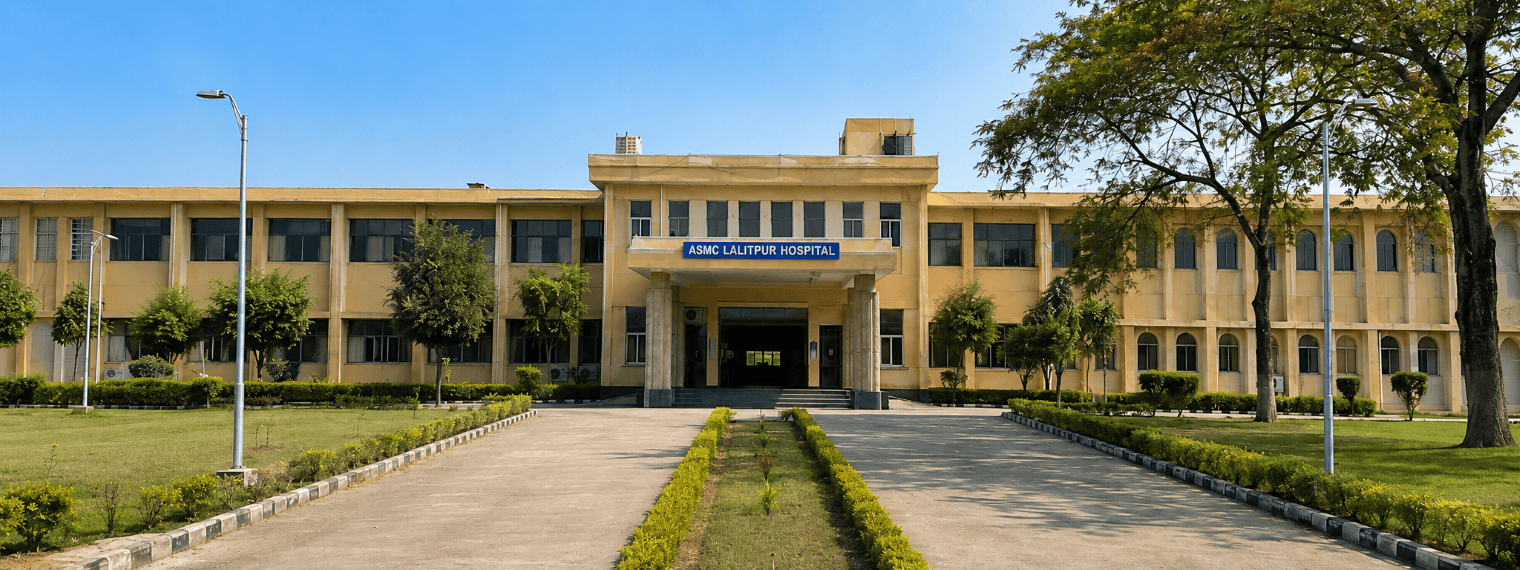
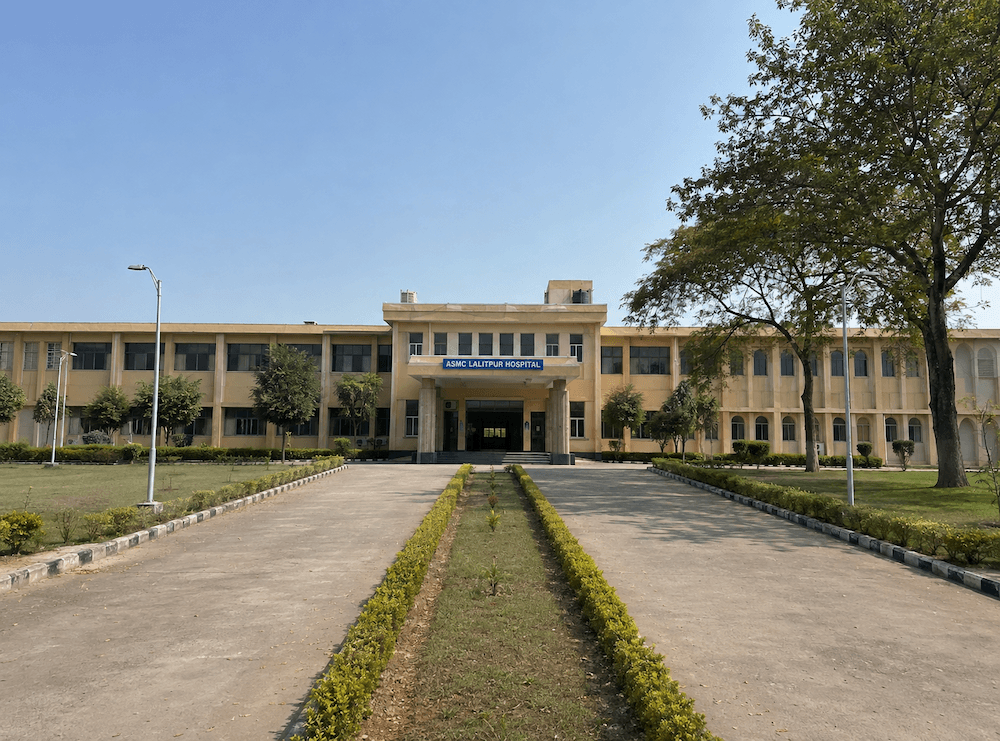
Autonomous State Medical College, Lalitpur is a government medical institution committed to excellence in medical education, ethical practice and community healthcare. The college combines competency-based classroom teaching, laboratory learning and early clinical exposure with supervised training at its attached teaching hospital. Students develop scientific knowledge, clinical skills, professional values and compassion required for responsible patient care with confidence and empathy. Through dedicated faculty, modern learning facilities, diagnostic services and community-health initiatives, ASMC Lalitpur prepares capable future doctors while expanding access to preventive, therapeutic and emergency healthcare across the Bundelkhand region.

Intake Capacity: 100 NMC-approved MBBS seats annually
Campus Area: 26-acre modern, state-of-the-art academic campus.
Clinical Base: Attached District Hospital Lalitpur providing rich case variety.
Regulatory Standing: Approved by NMC and affiliated ABVMU.
Vision, Mission & Core Values
Our vision, mission and values guide ASMC Lalitpur in advancing medical education, delivering responsible healthcare and serving communities with integrity and compassion.

Our Vision
To become a trusted centre of excellence in medical education, ethical healthcare, research and community service while developing competent, compassionate and socially responsible medical professionals.

Our Mission
To deliver quality medical education through structured teaching, practical training and supervised clinical exposure; strengthen patient-centred healthcare; encourage research and innovation; and prepare responsible doctors committed to serving society.

Our Core Values
Our Journey
Building a Purpose-Driven Institution for Medical Education and Public Healthcare
Autonomous State Medical College, Lalitpur was established to strengthen medical education and public healthcare in the region. Its journey reflects the continued development of academic learning, supervised clinical training, hospital services and community-focused healthcare within an integrated government medical institution.
Institutional Foundation
Established with a public-service vision to strengthen medical education and regional healthcare access.
Academic Development
Building structured medical education through experienced faculty, laboratories, practical learning and clinical exposure.
Healthcare Expansion
Developing teaching-hospital services that support patient care, student training and community health needs.
Why Choose ASMC Lalitpur
Medical Education Built Around Knowledge, Practice and Public Service
Discover a supportive academic environment that brings together structured medical education, supervised clinical training, ethical practice, research and community-focused healthcare.
Strong Academic Foundation
Structured medical education develops scientific understanding, diagnostic thinking and the professional knowledge required for responsible clinical practice.
Supervised Clinical Training
Hospital-based learning connects classroom concepts with patient interaction, clinical observation, diagnosis and practical healthcare responsibilities.
Faculty-Guided Learning
Faculty members support students through lectures, demonstrations, practical sessions, clinical postings, discussions and academic guidance.
Learning Infrastructure
Classrooms, laboratories, library resources, demonstration areas and clinical facilities support effective academic and practical learning.
Research and Innovation
Academic activities encourage scientific enquiry, evidence-based thinking, responsible research participation and continuous improvement in medical practice.
Community Healthcare Commitment
Public-health initiatives, preventive care and community engagement help students understand regional needs and social responsibility.
Explore ASMC Lalitpur
Begin Your Journey in Medical Education
Discover our academic departments, teaching hospital, clinical training, campus facilities and student resources designed to support responsible medical learning and community healthcare.